Abrablog
Brake Pad Replacement Cost: Front & Rear Estimates
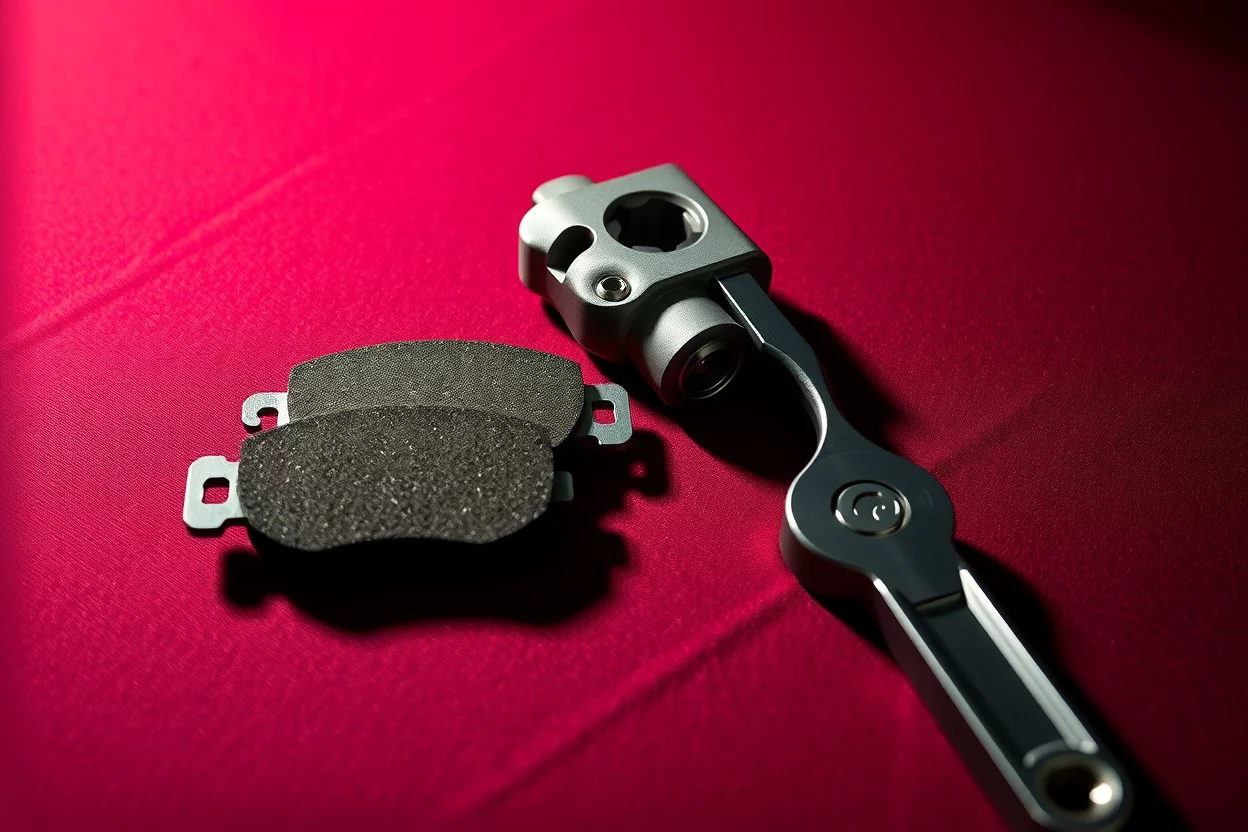
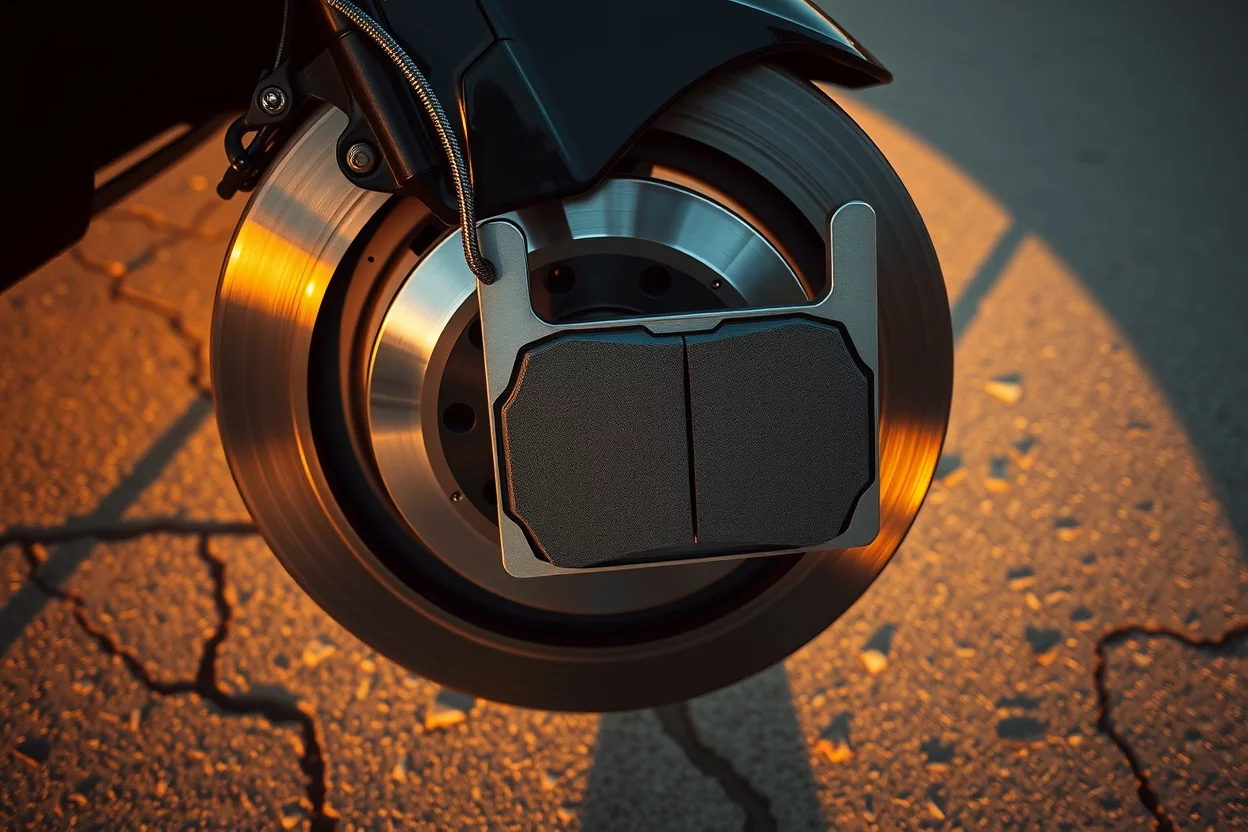
That ominous squeal from your wheels isn't just annoying; it's your car screaming for attention, specifically for new brake pads. Ignore it at your peril, not just for your safety, but for your wallet too – delaying can turn a simple pad swap into a rotor replacement, or worse. So, let's face it, understanding the true brake pad replacement cost front and rear can feel like deciphering ancient hieroglyphs. It’s a common automotive expense, yet the numbers swing wildly, leaving many drivers scratching their heads. What’s the real average? What makes it so different from one shop to the next? We’re going to pull back the curtain on this vital maintenance, giving you the real talk on what to expect when those pads finally give up the ghost.
Understanding the Average Brake Pad Replacement Cost
When we talk about the average brake pad replacement cost, we’re typically looking at a range, not a single static number. This isn't like buying a gallon of milk; there are too many variables at play. Generally speaking, for a standard passenger vehicle, you might expect to pay anywhere from $150 to $300 per axle. That’s for pads only, mind you, and doesn't even begin to factor in rotor replacement, which is often done concurrently. Think about it: an axle means either the front two wheels or the rear two wheels. So, if you’re doing both, you’re looking at double that range. But even this broad estimate has its limits.
What contributes to this average? Well, it's a blend of parts cost and labor. The pads themselves can be relatively inexpensive, especially if you opt for budget-friendly semi-metallic or organic varieties. However, if you drive a performance car or a heavy SUV, you might need premium ceramic pads which carry a heftier price tag. Then there's the labor, which varies geographically and by mechanic. A good technician, someone who knows their way around brake systems and ensures everything is done safely, commands a fair wage. It's not just about swapping parts; it’s about safety, precision, and expertise. Don't cheap out here.
Factors Affecting Your Brake Replacement Cost
So, why does your neighbor’s brake job cost a hundred bucks less than the quote you just got? It’s rarely a scam; more often, it’s a confluence of factors that dramatically influence the final bill. Understanding these can empower you to make more informed decisions and even help you predict potential costs.
Vehicle Make and Model
Let's be honest, replacing pads on a compact sedan isn't the same as doing it on a luxury SUV or a high-performance sports car. Premium brands often use specialized brake systems, larger calipers, and more expensive materials. Parts for a BMW or Mercedes will almost always be pricier than for a Honda Civic or Toyota Corolla. The engineering differences mean more complex procedures and specific parts, naturally driving up the cost.
Type of Brake Pads
This is a big one. You’ve got options, each with its own price point and performance characteristics:
- Organic (NAO) Pads: Generally the cheapest, quietest, and produce less dust. Ideal for everyday driving, but wear faster and offer less aggressive braking.
- Semi-Metallic Pads: A popular choice, offering a good balance of performance and cost. They're more durable than organic but can be noisier and create more dust.
- Ceramic Pads: The most expensive, but offer excellent braking performance, minimal noise, and very low dust. They also last longer. If you’re willing to spend a bit more, these are often worth it.
The choice here directly impacts your parts cost, and indirectly, even your labor, as some pads can be more finicky to install.
Rotor Condition
Here’s where costs can escalate quickly. Brake pads and rotors are designed to work together. If your pads have worn down excessively, or if your rotors are warped, grooved, or too thin, they’ll need to be replaced too. Skipping new rotors when they're needed is a false economy; new pads on bad rotors will wear quickly and perform poorly. Rotor replacement adds significantly to the overall bill, often doubling or tripling the parts cost for that axle.
Geographic Location and Labor Rates
Just like real estate, auto repair labor costs are influenced by location. Shops in major metropolitan areas with higher costs of living generally have higher labor rates than those in rural towns. A skilled mechanic in New York City will charge more per hour than their counterpart in a small Midwestern town, and that's completely understandable.
Diving Deeper: Cost to Replace Front vs. Rear Brake Pads
It's not uncommon for drivers to ask, "Is there a difference in the cost to replace front brake pads versus the cost to replace rear brake pads?" And the answer, often, is yes, though it might not be as dramatic as you'd think, depending on the vehicle.
Generally, front brake pads tend to wear out faster than rear ones. Why? Because the front brakes do most of the stopping work, sometimes up to 70-80% of it, due to weight transfer during braking. This means they're subjected to more heat and friction, leading to quicker degradation. Because of this, front brake pads are often larger and sometimes more robustly constructed than rear pads, meaning the parts can be a little pricier.
For many vehicles, the cost to replace front brake pads will hover in the $150 to $350 per axle range, including labor and parts for standard pads. If rotors are needed, expect to add another $150 to $400 per axle, bringing the total for the front to potentially $300-$750 or more. The complexity of the front brake system, often including larger calipers and sometimes more intricate ABS sensors, can also slightly increase the labor time.
Rear brakes, on the other hand, typically experience less stress. While modern cars, especially those with traction control, stability control, and ABS, utilize rear brakes more dynamically, they still don't bear the primary brunt of stopping. The cost to replace rear brake pads usually falls into a similar per-axle range, sometimes slightly lower for parts if the pads are smaller or simpler. You might see estimates from $140 to $320 per axle for pads. Add rotors, and you’re looking at an additional $140 to $350 per axle, pushing the total for the rear to a similar $280-$670 range. However, some vehicles, particularly trucks or luxury sedans, might have equally complex or even more expensive rear setups if they incorporate electronic parking brakes or specialized calipers, which can push rear costs higher.
The important takeaway is that while there might be a slight difference, it's often minimal enough that you shouldn't worry too much about a huge discrepancy between front and rear unless your car has a very specific brake setup. Focus more on addressing whichever axle needs attention.
Dealership vs. Independent Mechanic: Where to Get Your Brakes Done?
This is a classic dilemma for any car owner. Should you take your vehicle to the branded dealership service center or trust your local, independent shop? Both have their merits, and both affect your wallet differently when it comes to the labor cost for brake pads.
Dealerships: They often pride themselves on using genuine OEM (Original Equipment Manufacturer) parts, which can be reassuring. The technicians are usually factory-trained and have specialized tools for your specific make and model. This level of specialization often translates to higher labor rates. You might pay anywhere from $100 to $180 per hour or more for labor. Their overheads are generally higher too, contributing to a steeper final bill. For a brake job, you could see a total estimate that's 20-40% higher than an independent shop.
Independent Mechanics: These shops often offer a more personalized experience and, critically, lower labor rates – typically ranging from $70 to $120 per hour. They frequently use aftermarket parts, which can be just as good as OEM, sometimes even better, and definitely more affordable. A reputable independent mechanic often has a strong local reputation to uphold, offering quality work at a more competitive price. The trick here is finding a trustworthy one. Ask for recommendations, check online reviews, and look for certifications like ASE (Automotive Service Excellence).
My personal take? For a routine brake pad replacement, a trusted independent mechanic is almost always the better value. They can often source quality aftermarket parts that meet or exceed OEM specifications, saving you a chunk of change without compromising safety. However, if your vehicle has a very complex, specialized braking system (think certain high-end exotics or electric vehicles with regenerative braking complexities), a dealership might have the unique expertise required. For most drivers though, the independent route is smart economics.
Smart Strategies: How to Save on Brake Replacement
Nobody wants to spend more than they have to on car repairs, but saving money on brakes shouldn't mean cutting corners on safety. There are intelligent ways to minimize the impact of brake pad replacement cost front and rear without risking your well-being.
Regular Inspections are Key
The absolute best way to save money in the long run is proactive maintenance. Get your brakes inspected regularly, ideally at every oil change or at least once a year. Catching worn pads early means you replace just the pads, often before they damage your rotors. Ignoring that squeal until it becomes a grind almost guarantees you'll need new rotors, significantly escalating costs.
Shop Around for Quotes
Don't settle for the first quote you get. Call a few independent shops, and even a dealership if you're curious, to get comparative estimates. Be specific about your car's make, model, year, and what you suspect needs to be done. Ask for quotes for parts and labor separately. Remember, the cheapest quote isn't always the best, but it gives you leverage for negotiation.
Consider Quality Aftermarket Parts
As mentioned, quality aftermarket parts can be excellent and often more affordable than OEM. Many reputable brands specialize in braking components, offering options that perform as well or better than what came with your car. Discuss these options with your mechanic. Don't just accept whatever they offer; ask about different tiers of pads (e.g., semi-metallic vs. ceramic) and their respective costs and benefits.
Bundle Services (If Applicable)
If you have other maintenance items due, like a tire rotation or fluid flush, ask if they can be bundled with your brake job for a slightly reduced overall labor cost. Shops sometimes offer discounts for multiple services performed at once, as it's more efficient for their technicians.
DIY if You’re Experienced
Now, this isn't for everyone. But if you have mechanical aptitude, the right tools, and a reliable repair manual, replacing brake pads (and sometimes rotors) on certain simpler vehicles can be a DIY project. This will save you entirely on labor costs. However, I must stress: only attempt this if you are confident in your abilities and understand the critical safety aspects of brake systems. Incorrectly installed brakes are a serious hazard. If there's any doubt, pay a professional. Your life, and the lives of others, depend on your brakes working perfectly.
Driving around with compromised brakes isn't just financially foolish; it's genuinely dangerous. It puts you, your passengers, and everyone else on the road at unnecessary risk. That quiet hum you hear from properly functioning brakes? That's the sound of safety and peace of mind, a sound well worth the investment. Don’t let the perceived high cost deter you from this essential maintenance. By understanding the estimates, knowing the factors at play, and applying smart strategies, you can tackle your next brake pad replacement with confidence and ensure your vehicle stops exactly when you need it to, every single time. Get those squeals checked out now!