Abrablog
Don't Guess: How To Tell When Your Car's Brake Pads Need Replacing
That moment of panic, heart leaping into your throat as your car just doesn't quite stop like it used to. We've all been there, or at least imagined it. The truth is, your car's brakes are arguably its most critical safety feature, and knowing how to tell when brake pads need replacing isn't just a useful bit of car maintenance trivia; it's essential for your safety and the safety of everyone else on the road. Ignoring the subtle warnings can lead to costly repairs, compromised stopping power, and even a dangerous accident. But how do you really know when it's time for new pads, beyond just a gut feeling?
The Auditory Warnings: When Your Brakes Speak Up
Your car, believe it or not, has a voice, especially when its brake pads are reaching their limit. Listening closely to your vehicle can often provide the earliest and most direct signs that something is amiss with your braking system. Don't dismiss those strange noises as just 'character'; they're often urgent pleas for attention.
That Familiar Squeal: The Wear Indicator's Cry
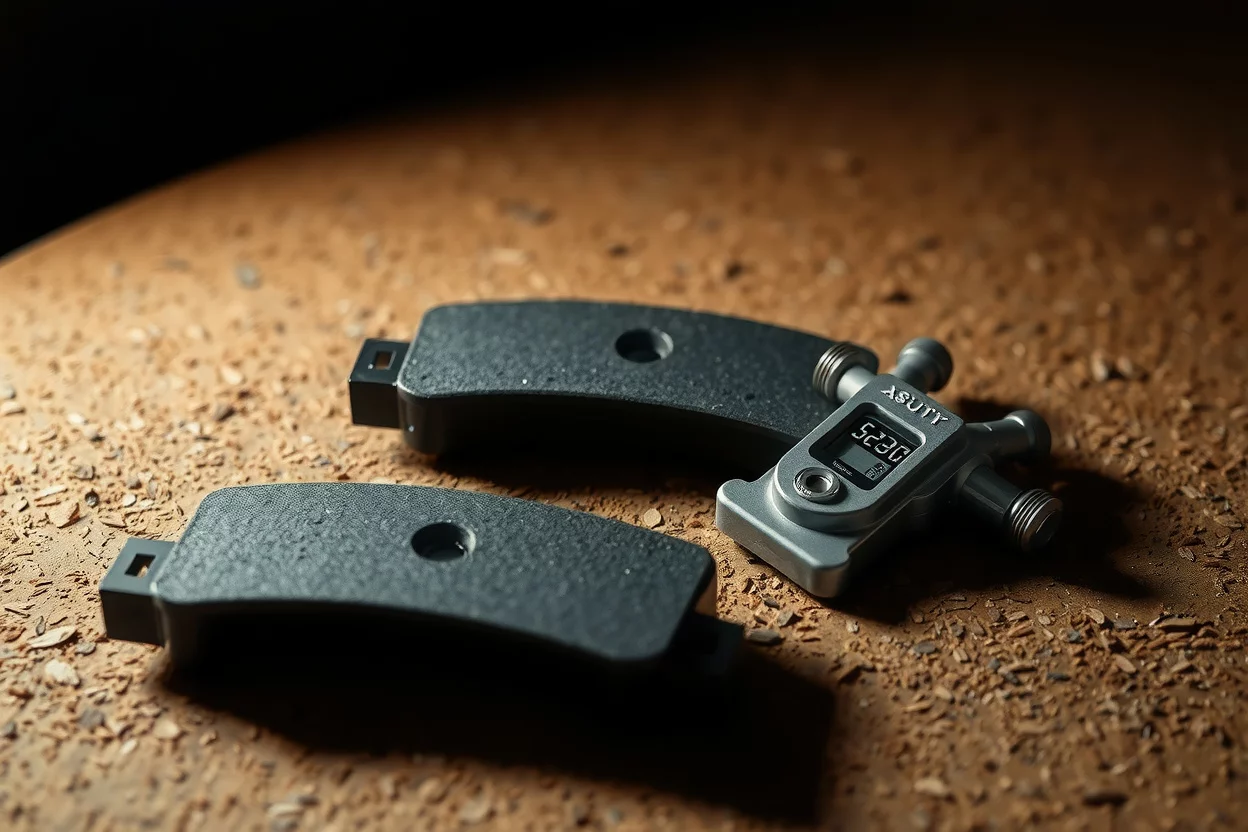
Perhaps the most common and often the first sign of worn brake pads is a high-pitched squealing sound. This isn't just random noise; it's usually the deliberate warning system built into your brake pads. Most modern brake pads come equipped with a small metal tab, a 'wear indicator noise' clip, designed to make contact with the rotor when the friction material wears down to a critical level. It's a shrill, metallic shriek that gets louder and more consistent the more you drive and brake. If you hear this, it's a clear signal. You still have some material left, but replacement is imminent and shouldn't be put off for long. Think of it as your car clearing its throat before shouting.
The Ominous Grind: Metal-on-Metal Mayhem
If you've progressed beyond the squeal and are now hearing a harsh, metallic grinding sound every time you apply the brakes, you've likely entered a much more serious territory. This grinding indicates that the friction material of your brake pads has completely worn away, and you're now experiencing metal-on-metal contact. Specifically, the backing plate of your brake pad is scraping directly against your brake rotor. This isn't just a warning; it's an emergency. Not only does this severely compromise your stopping power and create a dangerous situation, but it will also rapidly damage your brake rotors, turning a relatively inexpensive pad replacement into a significantly more costly repair involving rotor machining or replacement. When you hear this, you need to address it immediately – driving even a short distance can cause irreversible damage.
Tactile Sensations: How Your Pedal Feels
Beyond what you hear, what you feel through the brake pedal can be a powerful diagnostic tool. The brake pedal is your direct interface with the braking system, and any change in its usual feel or response can point directly to brake pad issues or other brake system problems.
A Spongy or Soft Brake Pedal
Does your brake pedal feel softer than usual? Does it travel further towards the floor before you feel significant braking power? A spongy or soft brake pedal could indicate several issues within the braking system. While it's often a sign of air in the brake lines or low brake fluid, critically worn brake pads can also contribute to this feeling. As pads wear down, the calipers have to extend further to make contact, which can change the pedal feel. It’s a less direct indicator of pad wear alone, but certainly signals that your brake system needs a professional inspection.
Vibrations, Pulsations, or Pulling to One Side
Imagine pressing the brake pedal and feeling a distinct vibration or pulsation through your foot. This often suggests an issue with the brake rotors, specifically that they might be warped or have uneven wear. However, severely worn brake pads, especially if worn unevenly, can exacerbate these sensations. If you notice your car pulling strongly to one side when you brake, it's a strong indicator that one side's brake pads might be significantly more worn than the other, or that a caliper is sticking. Uneven wear often means one pad is making far more contact, creating an imbalanced braking force that yanks the steering wheel. This is a critical safety issue, demanding immediate attention.
The Visual Inspection: What Your Eyes Can Tell You
Sometimes, the most straightforward approach is to simply look. A visual inspection of brake pads can reveal a wealth of information about their condition. While it might require a bit of maneuvering, it's a worthwhile check that anyone can perform with a flashlight and a keen eye.
Peeking Through the Wheel Spokes
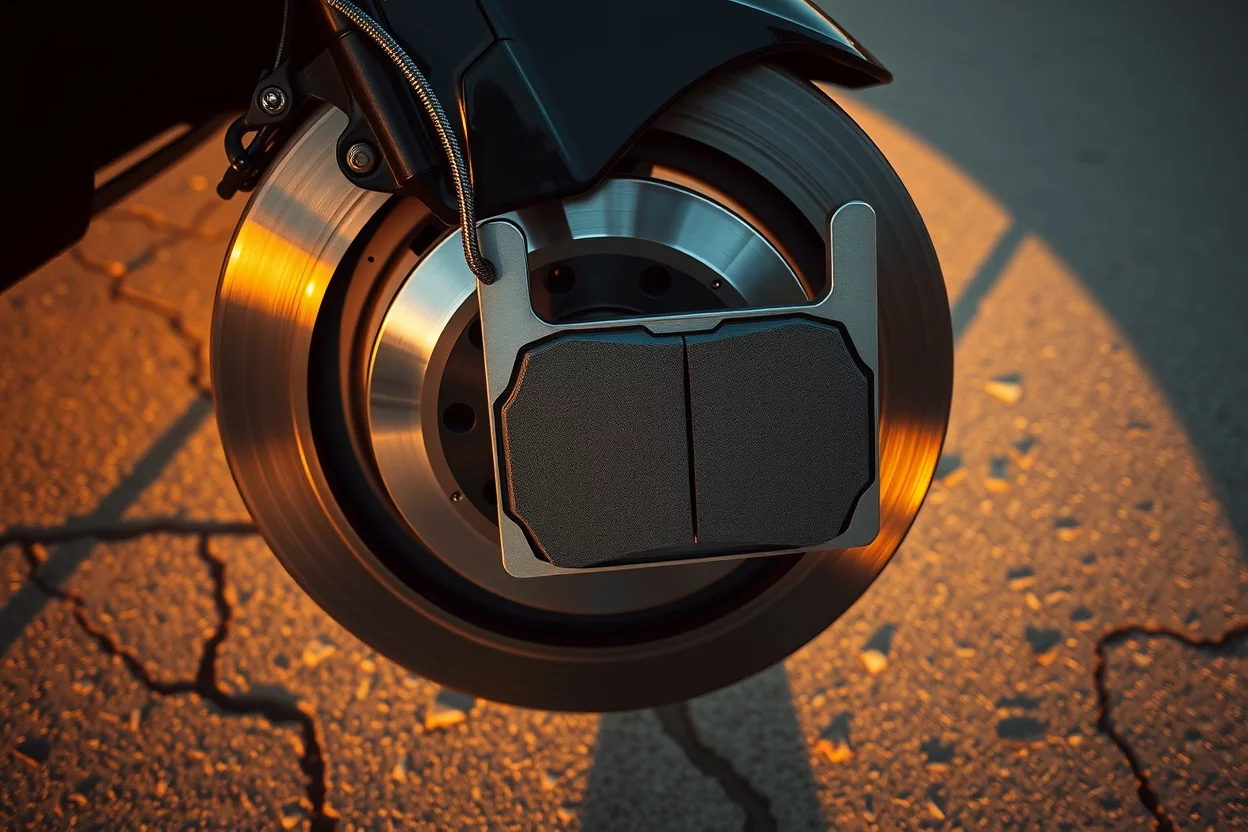
One of the easiest ways for a quick visual inspection of brake pads is to look through your wheel spokes. With the car parked on a level surface (and ideally after the wheels have cooled down, as brakes can get very hot!), use a flashlight to peer between the spokes. You're looking for the brake caliper, which clamps down on the rotor. The brake pads are housed inside this caliper, gripping either side of the rotor. You should be able to see the friction material of the outer pad. What you're looking for is its thickness. A healthy, new brake pad will typically have about 10-12mm (around half an inch) of friction material. As it wears, this material gets thinner. A general rule of thumb for thickness of brake pads for replacement is anything less than 3mm-4mm (about an eighth of an inch). If it looks extremely thin, or if you can barely see any friction material at all, it's time for new pads.
Checking the Inner Pad (More Challenging)
While checking the outer pad is relatively simple, the inner pad (the one facing the car's engine) can be harder to see. Often, uneven wear means the inner pad wears faster. For a truly thorough visual inspection, you might need to jack up the car, remove the wheel, and possibly even unbolt the caliper. However, for most drivers, if the outer pad looks significantly thin, it's a strong enough indicator to warrant a professional inspection, where they can properly assess both sides. Don't forget to look for any visible damage to the pads, like cracks or crumbling material, which are also clear signs of trouble.
Why Do Brake Pads Wear Out Unevenly? Factors at Play
It’s not uncommon to find that one brake pad on an axle is more worn than its counterpart, or that one side of the car’s brakes are wearing faster. Understanding why brake pads wear out unevenly can help you diagnose problems and prevent future issues.
Sticky Calipers and Rust
One of the most frequent culprits for uneven brake pad wear is a sticky brake caliper. The caliper's job is to press the brake pads against the rotor. If the caliper's pistons or slide pins become corroded, dirty, or seize up, they might not retract properly or apply even pressure. A caliper that sticks 'on' can cause one pad to drag constantly against the rotor, leading to rapid wear and overheating. Conversely, a caliper that sticks 'off' might not apply enough pressure, forcing the other pads (or the other side of the car) to do more work.
Driving Habits and Road Conditions
Your personal driving style plays a huge role in brake pad longevity and evenness. Aggressive driving, with frequent hard braking, will naturally wear pads down faster. Stop-and-go city traffic, too, is much harder on brakes than consistent highway driving. Additionally, specific road conditions, like driving on roads with consistent turns (which might favor one side's braking) or frequent heavy loads, can contribute to uneven wear patterns across your vehicle's braking system.
Rotor Issues and Brake Fluid Quality
While not directly about pads, issues with your brake rotors, such as significant warping or deep grooves, can also lead to uneven pad wear. If the rotor surface isn't perfectly flat, the pad won't make even contact, leading to concentrated wear points. Furthermore, neglected brake fluid, which can absorb moisture over time, can lead to corrosion within the brake lines and calipers, indirectly contributing to their malfunction and subsequent uneven pad wear. Regular brake fluid flushes are part of a comprehensive preventative maintenance strategy.
How Often to Check Brake Pads: A Proactive Approach
So, we've discussed the signs, but how often should you actually be checking your brake pads? Being proactive is always better than being reactive when it comes to vehicle safety.
Manufacturer Recommendations vs. Real-World Driving
Most car manufacturers recommend having your brakes inspected at least once a year or every 12,000 to 15,000 miles. This is a good general guideline, but it's exactly that: a guideline. Your personal driving habits, the type of roads you frequent, and even the quality of the brake pads themselves can drastically alter this timeline. If you're a heavy commuter in city traffic, you might need to check them more frequently, perhaps every 6 months. For those who mostly cruise on highways, the annual check might suffice. The key is understanding that 'how often to check brake pads' isn't a one-size-fits-all answer.
Trusting Your Instincts and Professional Expertise
Beyond scheduled maintenance, trust your instincts. If you hear a new sound, feel a different sensation, or simply have a nagging feeling something's off, get it checked. Don't wait for the problem to escalate. When you do take your car in for routine service, always ask your mechanic to perform a thorough brake inspection. A good technician will measure the thickness of brake pads for replacement and inspect the rotors and calipers as part of their service. Remember, preventative maintenance isn't just about saving money; it's about safeguarding lives.
The Bottom Line: Your Safety Isn't Negotiable
Driving with worn brake pads is like walking on a tightrope without a net – inherently risky and utterly foolish. You now have a comprehensive toolkit of knowledge, from listening for that tell-tale squeal and feeling for a spongy pedal, to performing a quick visual inspection. Don't let ignorance or procrastination put you or your loved ones in harm's way. Take these signs seriously. Invest in your safety; address those worn pads immediately. Your peace of mind, and potentially your life, truly depend on it.