Abrablog
Smart Snacking: Your Guide to Healthy Protein Bars
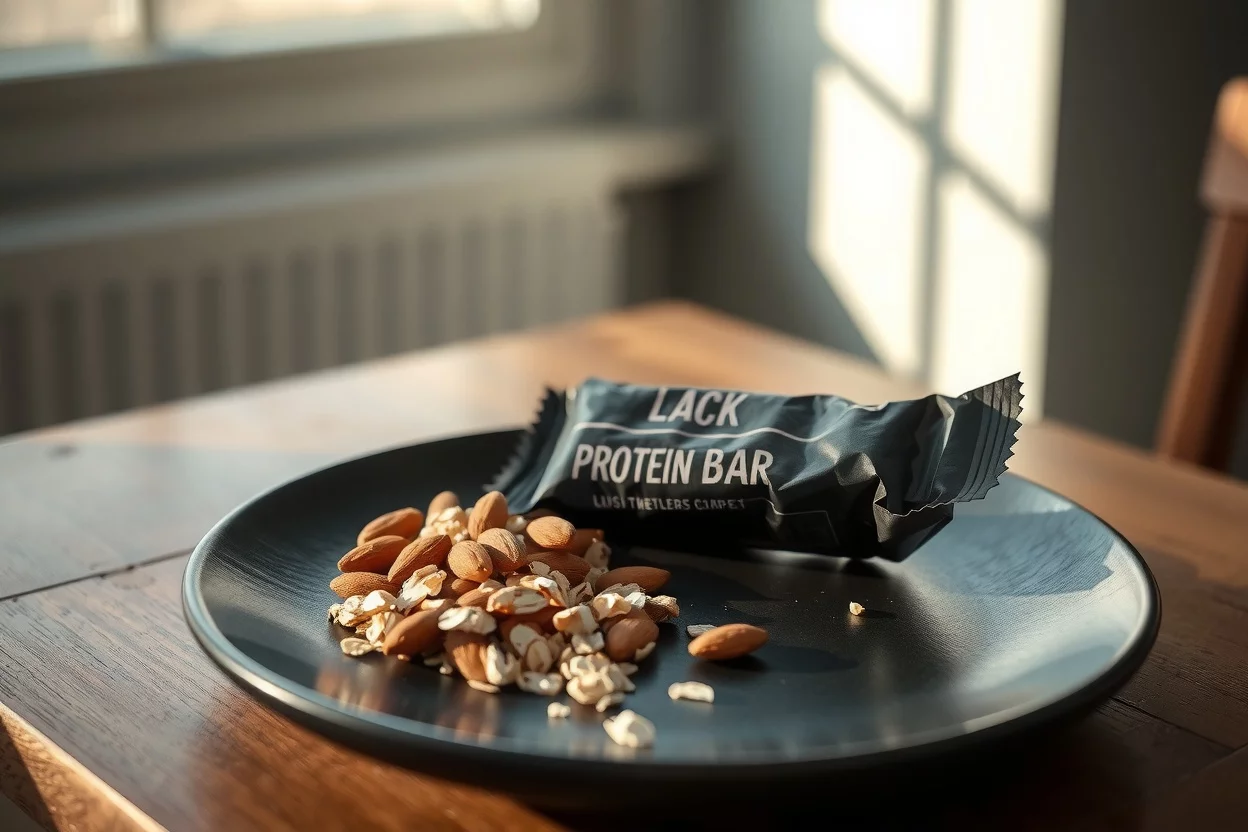
In a world constantly on the move, what do you reach for when hunger strikes but time is short? For millions, the answer has become a protein bar. But are all protein bars created equal? Absolutely not. While the global protein bar market is experiencing substantial growth, reflecting a heightened consumer focus on health and convenience, identifying truly healthy protein bars that genuinely nourish your body, rather than just fill it with empty calories and questionable ingredients, remains a critical skill. It’s a jungle out there, and navigating the vast array of options demands a keen eye for nutritional value, brand integrity, and, sometimes, the willingness to roll up your sleeves and make your own.
The Essential Role of Healthy Protein Bars in Your Diet
Why have protein bars become such a ubiquitous part of our daily grind? Beyond mere convenience, they offer a tangible way to supplement protein intake, support active lifestyles, and even manage weight. Imagine skipping a meal or hitting the gym without proper fuel; that’s where a well-chosen bar steps in. They're quick, portable, and, if you pick wisely, packed with the macronutrients your body craves. The market itself is booming, a testament to this demand. The global protein bar market, for instance, was valued at a staggering USD 15.85 billion in 2025, with projections indicating a rise to USD 16.77 billion in 2026, soaring to approximately USD 27.85 billion by 2035, growing at a Compound Annual Growth Rate (CAGR) of 5.8% from 2026 to 2035. Other analyses, while slightly varying in initial figures, echo this robust expansion, with one estimating a jump from USD 5.46 billion in 2025 to USD 8.01 billion by 2030. This isn't just a trend; it's a fundamental shift in how we approach on-the-go nutrition.
Decoding the Nutritional Value of Healthy Protein Bars
So, what makes a protein bar truly 'healthy'? It boils down to a balanced macronutrient profile, an abundance of essential micronutrients and fiber, and a distinct lack of junk. We're talking about real food, not chemistry experiments wrapped in shiny foil. Understanding the healthy protein bars nutritional value is your first step towards making informed choices.
Protein Power: Fueling Muscle and Fullness
At the heart of any good protein bar is, naturally, protein. Most healthy options will give you a solid 10 to 30 grams per serving. Why is this so important? Protein is the building block for muscle maintenance, repair, and growth, especially after a grueling workout. A 2024 meta-analysis in the Journal of Nutrition definitively confirmed that consuming 20–30g of protein within two hours after exercise significantly boosts muscle synthesis. But it’s not just for gym junkies. Protein also plays a crucial role in satiety, making you feel fuller for longer and helping to control those pesky hunger pangs that lead to impulsive snacking. This makes them excellent candidates as best healthy protein bars for weight loss, helping you stay on track with your caloric goals.
Fiber, Carbs, and Fats: The Supporting Cast
Beyond protein, the other macronutrients matter just as much. Aim for bars with 2-10 grams of fiber; it’s a digestive superstar, promoting gut health and further enhancing that feeling of fullness. Carbohydrates should come from complex, whole-food sources like oats, nuts, seeds, and dried fruits, generally keeping total carbohydrates under 30 grams per bar, depending on your personal activity levels and health goals. And let's not forget fats! Healthy fats, predominantly unsaturated ones from nuts and seeds, are not only beneficial for overall health but also contribute to a satisfying texture and sustained energy. When considering healthy protein bars calories, remember that fats are more calorically dense, so balance is key.
The Hidden Dangers: Ingredients to Avoid in Protein Bars
Here’s where many seemingly healthy options can fall short. A truly nutritious bar is defined not just by what it contains, but by what it doesn't. As a diligent consumer, you must scrutinize labels for ingredients to avoid in protein bars that can cause digestive discomfort or offer minimal nutritional upside. These include:
- Sugar alcohols: Ingredients like xylitol, sorbitol, mannitol, maltitol, and erythritol can lead to unwelcome intestinal gas, bloating, and discomfort for many individuals.
- High-fructose corn syrup and excessive added sugars: These contribute significantly to unwanted calories and can have detrimental effects on long-term health. Prioritize bars with minimal added sugar, ideally under 5-8 grams per bar, letting natural sugars from fruits be the primary sweet source.
- Artificial sweeteners: Sucralose, aspartame, and saccharin are often used to reduce sugar content but may disrupt your gut microbiome and, ironically, potentially lead to increased cravings.
- Hydrogenated or fractionated oils: Think fractionated palm kernel oil. These are unhealthy, highly processed fats that should be sidestepped.
- Carrageenan: A seaweed derivative used as an emulsifier that can unfortunately cause intestinal irritation in many sensitive individuals.
- Soy protein isolate: Unless it's fermented, highly processed soy can be a less-than-ideal protein source for some, potentially causing digestive issues or allergen concerns.
- Excessive inulin or chicory root fiber: While fiber is good, too much of these specific types can trigger bloating and other digestive woes, especially in large amounts.
- Artificial colors, flavors, and excessive processed ingredients: If you can't pronounce it, or it sounds like it belongs in a lab, it's probably best to avoid it. Stick to whole, recognizable ingredients.
By avoiding these culprits, you dramatically increase the chances of selecting truly healthy protein bars that align with your wellness goals.
Finding Your Perfect Match: Best Healthy Protein Bars
With so many options crowding the shelves, how do you choose? While personal dietary needs and taste preferences naturally vary, several brands consistently stand out for their commitment to cleaner ingredients and balanced nutrition. These are often cited as the best healthy protein bars for weight loss and general well-being (as of late 2025/early 2026):
Top Picks for Weight Loss and General Health
- RXBAR: A perennial favorite, praised for its famously short and transparent ingredient list. Often made with just dates, egg whites, and nuts, they boast no added sugar and a commendable protein and fiber profile.
- GoMacro MacroBar Organic Vegan Protein Bars: If plant-based is your priority, these are stellar. Crafted with organic, sprouted brown rice and pea protein, oats, and often nut-free, vegan, and gluten-free.
- IQBar Plant Protein Bar: A smart choice with a balanced combination of plant protein, fiber, and healthy fats. They even include brain-boosting nutrients and offer a satisfying texture.
- Aloha Organic Plant Based Protein Bar: Noted for its high-quality plant protein and impressive fiber content (often 10g!), these bars provide a smooth, chewy, and genuinely satisfying experience.
- Perfect Bar: Found in the refrigerated section, these use whole ingredients like peanut butter, honey, and whole egg protein, offering a hearty, nutrient-dense snack that feels more like a meal.
- Picky Bars: Created by athletes, these vegan, gluten/dairy/soy-free bars are fueled by plant proteins, healthy fats, and complex carbs from nut butters, dried fruit, oats, and seeds.
Powering Up: Best Protein Bars for Muscle Gain
When the goal is muscle gain, protein content takes center stage, but quality still matters. You're looking for those higher-protein options (think 20g or more) with clean sources. While many of the above brands offer varieties suitable for muscle building, look specifically for those with whey isolate, egg white protein, or a robust blend of plant proteins. For instance, the 'Think! Creamy Peanut Butter' bar is often recommended as a good high-protein option for those seeking convenience without compromising too much on taste or basic nutritional integrity. Similarly, the Huel Complete Protein Bar, a plant-based, all-natural option high in protein and lower in carbs and sugars, made from a blend of wheat gluten, rice protein, and pea protein, offers another excellent choice for those focusing on performance and recovery.
Craft Your Own: Healthy Homemade Protein Bar Recipes
Feeling overwhelmed by labels or simply craving complete control over what you eat? The beauty of a homemade approach cannot be overstated. Creating your own healthy homemade protein bar recipes puts you firmly in the driver's seat, allowing you to sidestep unwanted additives, tailor flavors to your liking, and often save money.
Why Go Homemade?
Beyond ingredient control, making your own protein bars is incredibly satisfying. It ensures freshness, allows for customization based on allergies or dietary restrictions, and provides an outlet for creativity in the kitchen. Plus, many recipes are surprisingly simple and require no baking at all.
Key Ingredients for DIY Protein Bars
Building your perfect bar often starts with a few core components:
- Nut Butters: Peanut butter, almond butter, cashew butter, or even a mixed nut butter forms the essential base and binding agent.
- Protein Powder: This is your primary protein booster. Options like whey, pea, hemp, almond, rice, or vanilla protein powder are popular choices.
- Oats: Rolled oats or finely ground oat flour provide complex carbohydrates, fiber, and structure.
- Sweeteners: Opt for natural options such as honey, maple syrup, agave syrup, or brown rice syrup.
- Mix-ins: This is where the fun begins! Think dark chocolate chips, chopped nuts (almonds, walnuts, pecans), seeds (hemp, chia, flax, pumpkin, sunflower), dried fruits (blueberries, cranberries, strawberries), and spices like cinnamon or vanilla extract.
A Simple No-Bake Recipe Idea
Ready to get started? Here’s a basic framework for a delicious no-bake protein bar:
- Base Creation: In a large bowl, combine your favorite creamy natural nut butter with a liquid sweetener (e.g., honey or maple syrup). You might warm it gently to make mixing easier.
- Dry Ingredient Integration: Gradually mix in rolled oats (or oat flour for a smoother texture) and your chosen protein powder until well combined.
- Flavor and Texture Boost: Fold in your desired mix-ins – perhaps some mini dark chocolate chips and a handful of chopped almonds.
- Forming the Bars: Press the mixture firmly and evenly into a parchment-lined square or rectangular pan.
- Chilling for Firmness: Refrigerate or freeze for at least 30-60 minutes, or until the mixture is firm enough to slice easily. Cut into individual bars and store in an airtight container in the fridge for a week or the freezer for longer.
Experiment with different ratios and mix-ins to discover your ideal homemade healthy protein bar!
The Booming Bar Market: What the Numbers Tell Us
The rise of healthy protein bars isn't just anecdotal; it's a significant economic phenomenon. This category is a powerhouse within the broader nutrition market, driven by a growing awareness of health and fitness, coupled with an insatiable demand for convenient, on-the-go nutrition solutions. Innovations in plant-based proteins and clean-label formulations are consistently pushing the industry forward.
Consider these compelling market trends: North America, with its mature fitness culture and high consumer health awareness, held the largest market share in 2025, accounting for a robust 56.95% of the global revenue. But don't count out other regions; the Asia-Pacific area is projected to be the fastest-growing market, signaling a global shift in dietary habits. When we break down product types, sports nutritional bars dominated the market with a 50% share in 2025 – no surprise given the pervasive athletic culture. However, meal replacement bars are hot on their heels, projected to have the highest CAGR of 7% from 2026 to 2035, indicating a growing consumer reliance on these bars for more substantial nutritional needs.
Protein sources also tell an interesting story. While animal-based protein bars still held the majority market share (76%) in 2025, the narrative is changing. Plant-based protein bars are anticipated to grow at the fastest CAGR in the forecast period, reflecting a broader movement towards vegan and vegetarian diets. And for those chasing specific fitness goals, high protein bars (exceeding 20g per bar) were the clear winner, dominating the market by accounting for 56.3% of global revenue in 2025. This underscores their favored status for muscle maintenance, satiety, and performance nutrition. The overarching consumer trend? A noticeable and powerful shift towards clean-label eating. Consumers are scrutinizing ingredient lists more than ever, demanding transparency, fewer artificial ingredients, and genuine nutritional value. Innovations in low-sugar and plant-based options aren't just niche; they are central to the future of the protein bar market.
So, next time you’re reaching for a snack, remember that the power to choose wisely is entirely yours. With a discerning eye for ingredients, an understanding of nutritional profiles, and perhaps a dash of culinary adventure in your own kitchen, you can transform your everyday snacking into a truly healthy, energizing, and satisfying experience. Don’t settle for less than the best for your body; empower yourself to make smart choices and feel the difference!